


News Center
"My dear baby, if you're still alive, always remember I love you!" These were the last words a mother left for her young child during the Wenchuan earthquake. When discovered, her body was crushed beyond recognition, but this mother held her infant in a protective embrace. The child survived unharmed, while the mother tragically perished.
Data may be cold, but behind it lie the shattered voices of thousands of families. Though China mobilized vigorous rescue efforts during the Wenchuan earthquake, the outcomes remain heartbreaking. Fortunately, with advancements in AI technology, earthquake rescue robots have shown promising results, suggesting more efficient disaster response in the future.
Versatile Earthquake Robots: Crawling Underground, Scaling Heights
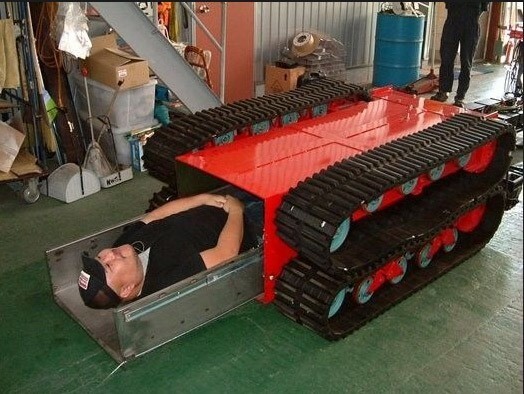
Wearable Rescue Robot: Developed by Japan's Yokohama Police Department, this robot can swallow victims whole and transport them from danger zones, reducing casualties by 60%. Equipped with cameras, robotic arms, and various sensors, its stretcher-mounted sensors can assess injuries.
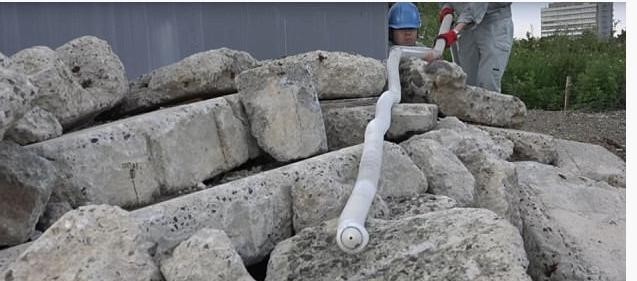
Snake Robot: To address wearable robots' inability to penetrate narrow crevices, Japan developed this 8-meter-long, 25cm-wide serpentine bot for locating trapped victims. Powered by motorized cables, it navigates rubble while its needle camera transmits images to rescuers.
Stanford engineers created a soft-bodied snake robot that grows, extending its length without moving its core body. Safer than rigid robots due to their lightweight flexibility, they easily maneuver near humans.

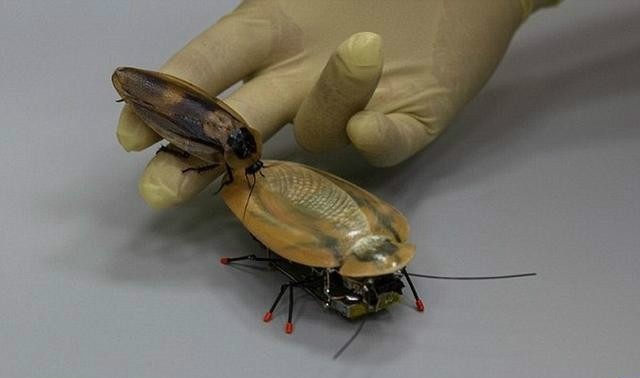
Cockroach Robot: Despite their repulsion, cockroaches inspire robots with remarkable crevice-penetration and pressure resistance. UC Berkeley's prototype mimics their exoskeleton for navigating treacherous terrain, even squeezing through spaces half its height to locate survivors.
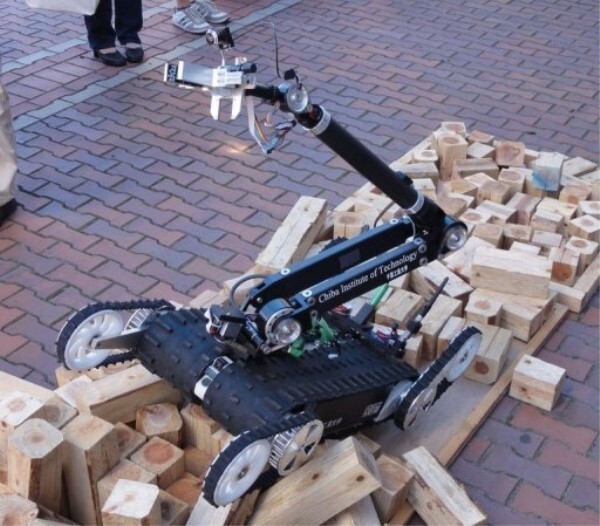
Vital-Sensing Robot: The toy-car-sized Quince robot features 4 caterpillar treads and 6 motors. Its arms deliver supplies while infrared/CO2 sensors detect breathing and body temperature—critical for locating life signs in rubble.
China has developed notable earthquake rescue robots, mostly falling into these categories. The ideal scenario sees robots "venturing deep," "slithering forward," and "bearing the weight" of rescue missions—though practical challenges persist.
Tasks requiring minutes for humans remain experimental for even the most advanced humanoid rescue robots, which are still in their infancy.
Bridging lab-to-field deployment demands time. Statistics show most earthquake deaths occur from delayed rescues in rubble, making survivor detection paramount. Our company is developing robots to address the fundamental challenge of precise localization and identification in complex disaster zones.

CONTACT US
Please use the form below to get in touch.
If you need a reply we will get in touch as soon as possible.